
When people hear “400 intent-to-enrolls in 30 days,” the assumption is usually that it required a massive ad budget, a viral social post, or some kind of luck. None of those things were true. It required a specific system, deployed at the right time, aimed at the right people.
Here’s a breakdown of how that campaign was structured—and what you can take from it for your own school.
“Intent-to-enroll isn’t a form submission. It’s a commitment signal. You have to engineer the conditions that make families willing to make that signal.”
The Context
The school in question had approval, had a brand, and had about 60 days until their enrollment window opened. They had a community they believed in but hadn’t yet activated. Our job was to turn that dormant community interest into documented, trackable commitment—before a single application was filed.
Phase 1: Founder Family Activation (Days 1–7)
The first thing we did was identify the school’s 20–30 most committed families—people who had been to every event, who had shared posts, who had told their friends about the school. We called them Founding Families.
We gave them a specific identity, a specific ask, and specific tools. The ask was simple: submit your intent-to-enroll form AND send a personal message to three families you know who might be interested. We created a short, texable message they could copy. We created a digital “Founding Family” graphic they could share on social media. And we made them feel like insiders—because they were.
Within seven days, those 20–30 families had each brought in an average of 4–5 additional intent-to-enrolls through direct personal referral. Referral is always the highest-converting channel. We just made it systematic.
Phase 2: Community Event Blitz (Days 5–18)
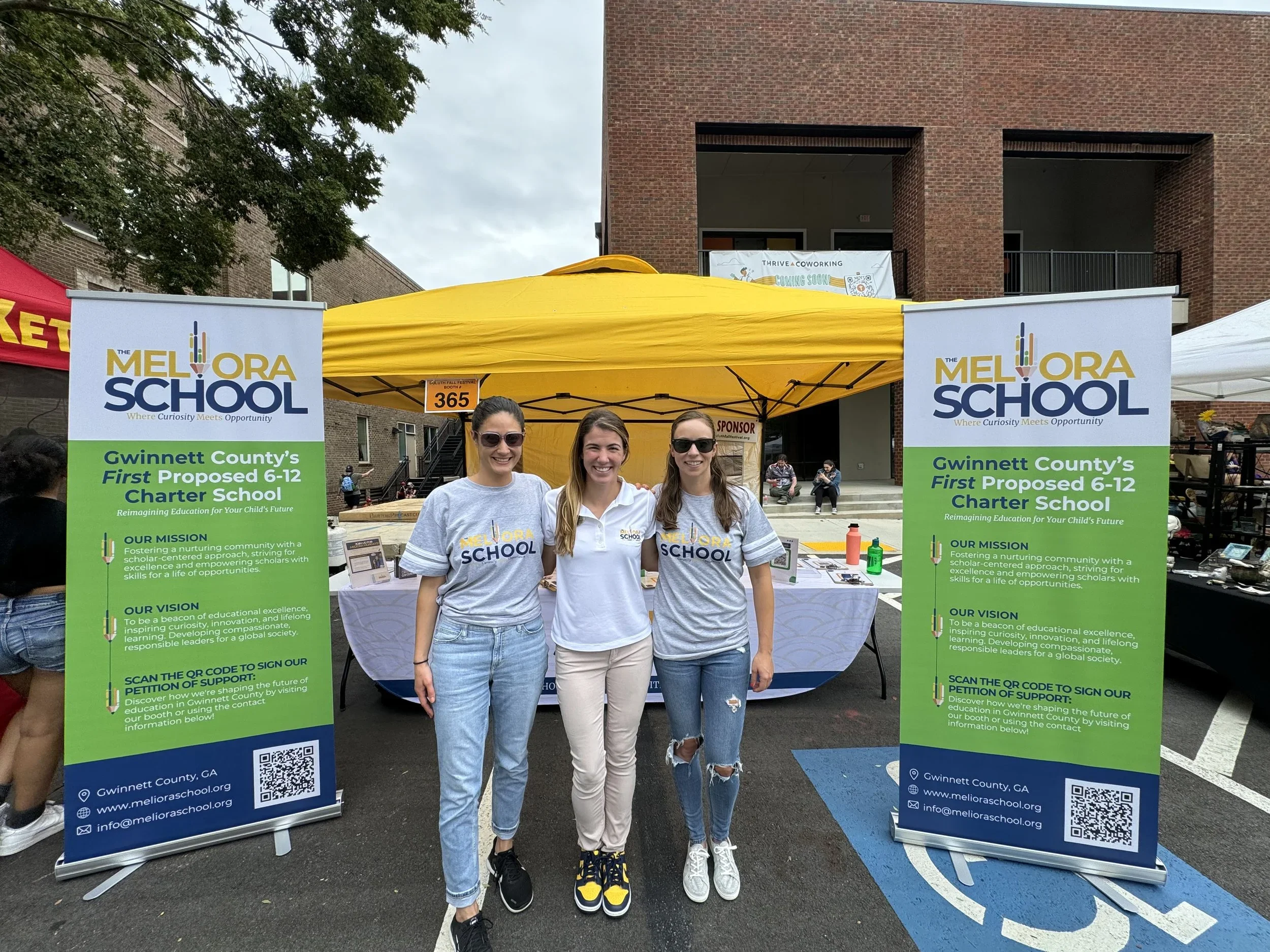
We identified six community events happening in the school’s target zip codes over the following two weeks: two farmers markets, a library reading program, a community health fair, a church family day, and a neighborhood block party. We attended all six with a table, branded materials, and a one-page “What Is [School Name]?” card with a QR code linking directly to the intent-to-enroll form.
The pitch at each event was not “come check out our school.” It was: “We’re opening this fall and we’re saving spots for founding families right now. This form takes 90 seconds and holds your family’s spot while we finalize our enrollment process.”
Urgency and specificity. Not “learn more”—“hold your spot.” That framing converts differently.
Phase 3: Email + SMS Sequences (Running Throughout)
Every person who submitted an intent-to-enroll went into a nurture sequence immediately. Not a newsletter—a sequence. Email 1 went out the same day: confirmation of their spot, introduction to the founding family concept, one compelling story about the school’s vision. Email 2 went out on Day 3: a specific testimonial from a founder family. Email 3 on Day 7: a behind-the-scenes look at something happening at the school—a classroom being set up, a teacher hire announcement, a curriculum decision being made.
We also sent one SMS per week—brief, warm, and specific. “We just hit 200 founding family commitments. Here’s what that means for your child’s spot.” People who feel like they’re part of something stay committed.
Phase 4: Local Media and Partner Amplification (Days 14–30)
We pitched one local community outlet a story about the school’s founding and the community response—framed around the families themselves, not just the institution. We also asked three community partners who had already publicly endorsed the school to post about the intent-to-enroll campaign on their own platforms.
Neither of these channels produced enormous numbers individually. But together they extended the campaign’s reach beyond the school’s existing audience—and credibility from third-party sources converted at a higher rate than the school’s own messaging.
What Made It Work
- The form was short. 90 seconds. Name, email, phone, grade level, one question. Every additional field costs you completions.
- The ask was specific. “Hold your spot” is more compelling than “express interest.”
- The activation started with the most committed people first. Referral from a trusted friend converts better than any ad.
- The nurture sequence kept people warm. People who submit a form and hear nothing for two weeks forget why they submitted it.
- We showed up physically. Digital reach alone wasn’t enough in this community. Showing up in person, repeatedly, in familiar spaces, built the trust that made families willing to commit.
This campaign was built around one school’s specific community and context. The principles are transferable; the tactics need to be adapted to your zip code, your demographic, and your timeline. But the core of it—start with your most committed people, activate them intentionally, and show up physically—works everywhere I’ve used it.
Ready to Apply This to Your School?
Every post I write comes from work I’ve done with real schools. If you’re ready to build systems that actually fill classrooms, let’s talk.